William Wynne Willson Obituary
Tony Scotland remembers William Wynne Willson (30 November 1932–17 May 2010), the pianist, teacher and founder of the Lennox Berkeley Society website
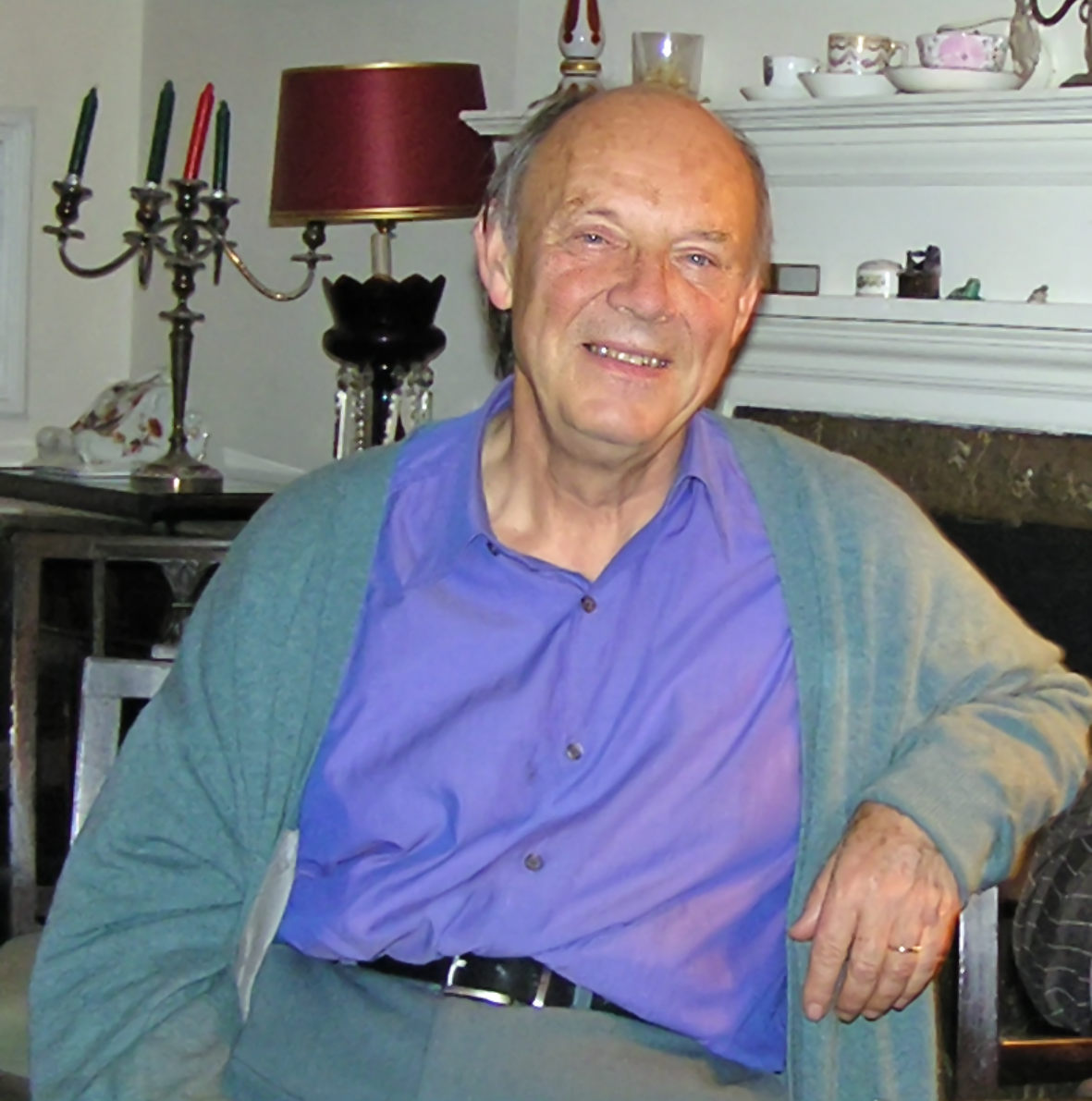
William Wynne Willson had a very wide range of musical interests, but piano music was his passion – and Lennox Berkeley one of his favourite twentieth-century English composers. As a schoolboy in the late 1940s he discovered Berkeley’s Polka for Two Pianos, and this encouraged him to explore other keyboard works by the same composer. When he had played his way through all Berkeley’s published piano pieces, he turned his attention to the unpublished work, and it’s typical of his tenacity that he tracked down the Prelude and Fugue for Clavichord which exists in manuscript only at the British Library – and typical of his generosity that he produced a printed version of this piece with his Sibelius software and circulated it to other Berkeley devotees.
In September 1998 Kathleen Walker put an advertisement in the Newsletter of the British Music Society, seeking support for a new society to promote Berkeley’s music. William was not only one of the first to respond, but, typically, he offered his expertise in a variety of useful ways. His enthusiasm encouraged Kathleen and Jim Nicol to create the Lennox Berkeley Society, of which William became a founder member (along with, amongst others, the counter-tenor Tay Cheng-Jim and Neil Williamson, who represented the Society at Dr Wynne Willson’s funeral at Lodge Hill Crematorium, Selly Oak, 17 June 2010). It wasn’t long before William had created the Society’s first website (which he maintained as Webmaster for as long as his health allowed). He also edited and produced the first Journal, which succeeded Jim Nicol’s original Newsletter; designed the distinctive logo and letterhead; printed Berkeley family photos as a series of postcards to raise money for the Society; and continued to produce sheet music from unpublished manuscripts of Berkeley’s keyboard pieces.
For all these services and achievements William neither sought recognition nor, unless pushed hard, would he allow the Society to repay his costs. He believed in spreading the word, and if even a single convert was made to the cause then he considered himself well rewarded. For he recognised in the music of Berkeley not only a distinctively elegant and meticulous voice but an integrity that reflected something of the spiritual character of the man himself.
William once wrote to Berkeley expressing his admiration of a particular work. In a reply, which William treasured, Berkeley noted the unusual spelling of Wynne Willson and wondered if there was any connection with Dallas Wynne-Willson who had been his housemaster at Gresham’s School, Holt, during the First World War. He was delighted to discover that William was indeed a great-nephew.
William was the least egotistical, the wisest, fairest and most freehanded of men, as all who knew him soon discovered. These qualities made him a firm favourite of Lady Berkeley, who wasn’t alone in her delight at seeing William, with his family, at a Berkeley concert at the Royal Academy of Music in London last November. Freda Berkeley and the other Patrons of the Berkeley Society, all of us who worked with William on the Committee, and the members of the Society, join in expressing heartfelt thanks to William for his dedication to the music of Lennox Berkeley, and for all that he has inspired us to go on doing in his memory. If he’ll be greatly missed, he’ll be no less gratefully remembered. The Society may be small but it’s as strong as it is today because of the firm foundations on which it was built by Kathleen, Jim – and William.
His work for the music of Lennox Berkeley lives on in the Society’s new website, the new journal and his original logo. And his work for music in general survives in his own remarkable website, which provides a personal selection of keyboard music in a downloadable format for printing-off as sheet music – entirely free for anyone, anywhere, at any time. All who love music will want to ensure that this generous and enlightened legacy continues to exist, and to multiply, for the benefit of pianists, in the service of music, and to the honour of a true and good man.