A kind and gentle spirit
Memories of Lennox Berkeley by the composer and pianist Adrian Williams
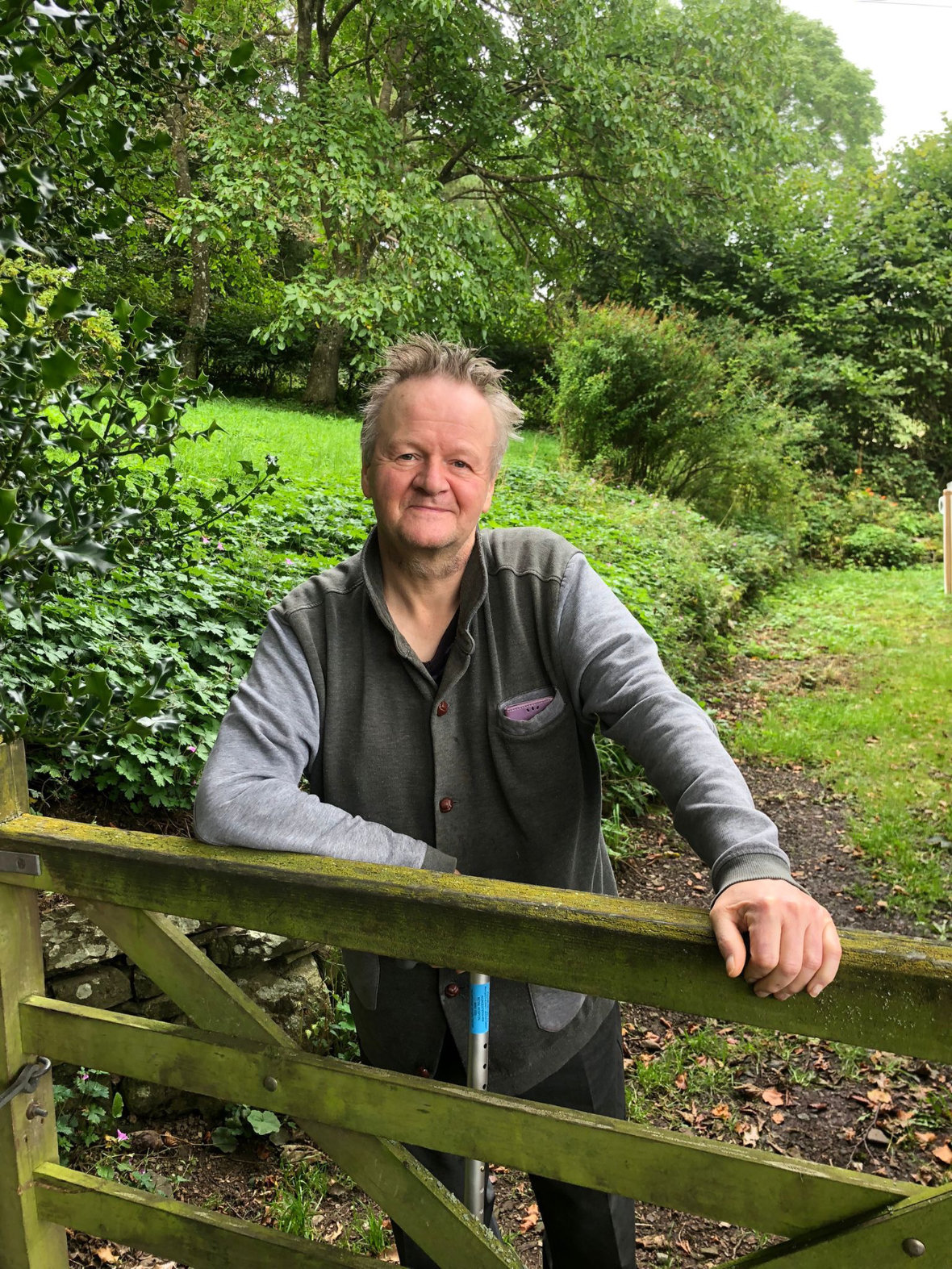
Around the age of twelve, I began to attend harmony and counterpoint classes at the Watford School of Music with the distinguished musician and composer, Kathleen Benning, one-time student of Lennox Berkeley. Miss Benning also kindly showed a strong interest in the Symphony I was writing, took parts of it home with her each week and wrote pages of useful comments in red ink.
Kathleen told my mother that the Watford School of Music, though adequate thus far, would not, in the longer run, be able to give me what I needed as an aspiring composer, so she suggested that she should introduce me to Lennox Berkeley.
About a year later [c. 1968] I first entered Lennox’s beautiful garden study in Little Venice, West London, with Mum and Kathleen. It was a profound experience to meet and get to know a great composer of distinction and true humility on his home territory. As soon as I entered the room I felt a palpable restfulness and quietude. I noticed a huge score on the table – I had never seen such large manuscript paper. I believe it was the Third Symphony, which I was to come to know a bit as a Junior at the Royal Academy when I was assigned the far-too-difficult timpani part (and was swiftly sacked by conductor Sidney Ellison!) I came to know it much better from a recording from BBC Radio 3 in later years. Next, I noticed Prince, the Berkeleys’ black labrador, asleep under the piano.
I warmed to Lennox immediately – such a kind and gentle spirit. Probably his influence was more subtle and on a personal level rather than only musical. In those days I knew nothing of his early connection with Benjamin Britten or their collaboration on the suite Mont Juic. Or, more significantly the rising eminence as composer of his son Michael, who was to play a significant part in the development of the music festival in Presteigne. Not only did Michael and I live just a few miles from each other in the Welsh borders, but we both won the Guinness Prize for composers, he the first and I the last.
In the first lesson Lennox opened a miniature score of Mozart’s Jupiter Symphony, which I already knew quite well. My favourite movement was always the finale, so my fumbling was more by ear than reading the tiny score, though it was there as a guide. Lennox saw my symphonic scribblings and a very early Quartet in F Major (preceding my first acknowledged quartet, the String Quartet No 1 of 1972).
I actually do not recall more of how that lesson, or any of the others, progressed. I remember him more as a warm and understanding human being than as a teacher, and in that sense the time with him made a deep impression. I do remember that he never tried to deflect me from my current compositional path, but rather let me ‘play out’ my influences naturally over time. It was not until Junior Academy that I was nudged gently from my comfort zones!
During the consultations Mum sat outside the room and chatted with Freda Berkeley, during which Mum was relieved of the three-guinea fee for the lesson. Over the ensuing months there were more consultations, I think around six in all. Kathleen Benning continued giving advice on my Symphony and plenty of encouragement.