The Value of English Song
Pianist, conductor and repetiteur William Vann’s initiative to recognise the value of English song
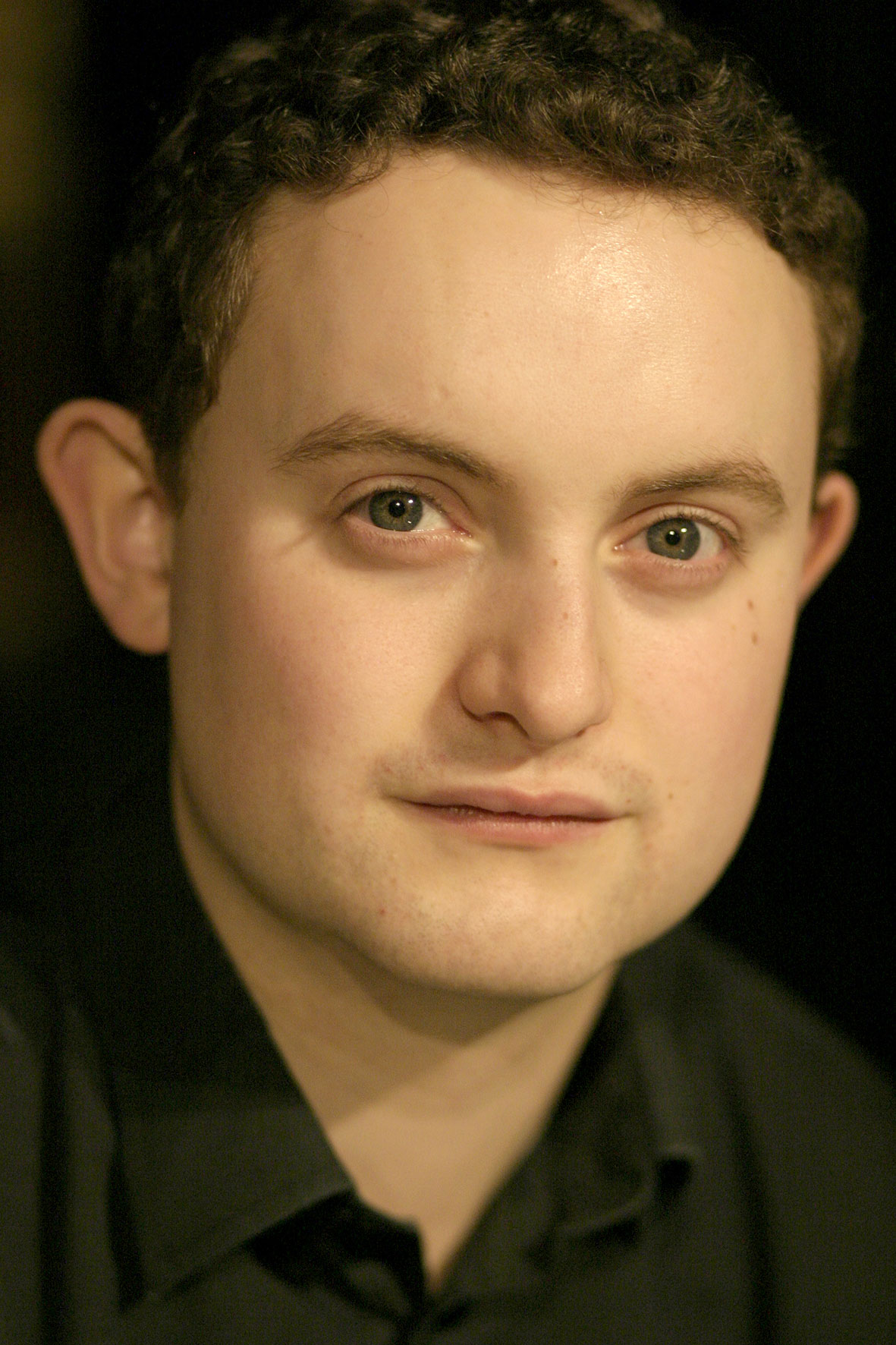
Inverse snobbery is rarely displayed so strongly as at the music conservatoires of England when the subject of English song is broached. True, the Lied and the mélodie are high art forms – the former possessing a body of repertoire that is hard to challenge in qualitative terms – but to undervalue the beauty and compositional integrity of this country’s own song output, though it is commonplace and accepted to do so in many circles, is unjustified. It was with this in mind that I set out to establish a festival of English song that would challenge those preconceptions and help to strengthen and safeguard the legacy of English folk and art song.
The London English Song Festival was launched in 2011 at The Forge in Camden. It returns in May 2012 for a second season, and already plans are afoot for a festival with an even broader scope in 2013 that will include more educational events for adults and children in addition to the recitals that are at the heart of the festival.
During my time studying at the Royal Academy of Music, I remember being struck by the views of many regarding song concerts. Concert societies, for example, find it far easier to sell tickets for chamber music recitals, and there is often a reluctance to embrace song, even among die-hard classical music fans. There is a raft of reasons why this is the case, varying from the lack of variety in tonal contrast from the voice of a single singer to poor, often lazy programming: who, apart from the most devoted fan, really wants to hear ninety minutes of uninterrupted Schubert settings influenced by classical poetry? Yet the strongest complaint is that since performing songs in the language of composition has become almost the only accepted way of going about a modern-day song recital (a pity, in my opinion), any audience, other than the most knowledgeable, simply understands too little of the text to connect successfully with the performance. Surely, therefore, English song has a huge advantage, not only in this country but worldwide, in terms of being easily transmitted to an audience, assuming the diction of the singer is clear enough. In addition though, it is crucial always to programme with innovation, to have a variety of performers on the stage, to introduce and discuss the music beforehand, and to break up the song performances with solo piano or instrumental works in order to maintain the attention of the audience.
The programmes in the 2012 London English Song Festival reflect this desire to intrigue and educate the audience. The opening recital deals with the poetry of William Blake and his interest in Ovid, and includes a pre-concert talk by Richard Stokes, a professor at the RAM who is currently working on a huge study of English song. Vaughan Williams’ beautiful Blake settings employ an oboe alongside the voice, and so the temptation to programme Britten’s Six Metamorphoses for solo oboe cannot be avoided. The same composer’s Songs and Proverbs of William Blake and Quilter’s Blake settings could hardly be more contrasting, and the programme is completed by a few of Vaughan Williams’ Six Studies in English Folk Songs for oboe and piano. The second concert also deals with a single poet’s influence on a number of different composers – a compelling theme that builds on the three concerts of Auden, Shakespeare and Housman settings in the 2011 LESF, the latter of which will appear again by the kind invitation of the Oxford Lieder Festival later this year. In this case the poet is Walter de la Mare and the composers are Bliss, Gibbs, Gurney, Robin Holloway, Howells (including an unpublished song, The Ghost) and, of course, Lennox Berkeley (Five Songs op. 26). For the third concert, Rhian Samuel, professor of New College, Oxford, introduces a concert that includes songs by herself (including a world premiere), Rebecca Clarke, Muriel Herbert and Liza Lehmann. The female composers of English song have, in general, remained unfairly neglected and it is hoped that this concert will make one small step towards restoring the balance. The Clarke songs in particular are one of the finest contributions to the world of English song and deserve to be performed far more regularly. Finally, we finish with a concert celebrating London through song – a nice connection with the Olympic celebrations a couple of months later.
In the early stages of launching such an enterprise, it takes the goodwill of a sizeable number of people to get it off the ground. I remain indebted to the singers and instrumentalists who have so far performed for a fee that hardly reflects the many hours that they have spent learning, rehearsing and performing the music. Ruth Jenkins, Johnny Herford, James Turnbull, Kate Symonds-Joy, Rupert Charlesworth, Gareth John, Aoife Miskelly, Katie Bray and Jonathan Sells are all contemporaries of mine from Cambridge University, the RAM or both, and they are joined in the third concert by James Gilchrist and Robert Rice. James is of course well known for his interpretation of Lennox Berkeley’s songs and it is fantastic to have him for the third concert (though not performing any Berkeley on this occasion). All twelve performers in the series are persuasive ambassadors of song, even though they work in a profession where opera is often perceived as the mainstay. The dedication of young singers to song is something that will make a real and long-lasting impact on the reputation of the medium in the future.
The Forge itself is a remarkable venue: if you haven’t been there yet, then do try to get along. To have a world-class, though intimate, recital venue in the heart of Camden Town (with the words of Betjeman’s Business Girls echoing through your ears as you stroll there from the tube) is a huge privilege; and the fact that it seats a mere hundred people makes the experience closer to the small-scale intention of many of the composers of song.
And so I hope that the London English Song Festival will continue to warm the ears of Londoners and beyond for many more years. The next task will be to take folk song to children who are now often brought up without the tunes that are an important part of the heritage of this country: it is important to remember that learning these melodies at an early age can often be the first step on the road to exploring the world of both folk and art song later in life and understanding the compositional link between the two. We are in danger of losing this knowledge in future generations unless we nurture understanding among the young.
As a footnote, such a venture is only possible with generous support from individuals and associations, including the kind help of the Lennox Berkeley Society, so please do get in touch if you are able to help out in any way (website: londonenglishsongfestival.org; email: londonenglishsongfestival@gmail.com).